


It’s been over a month since I last shared here. Normally, that bit of a break would sit heavy in my shoulders and chest, with a low-grade anxiety humming in the background, telling me I’m failing at something (again). I’ve absorbed enough understanding about building an audience throughout my career in marketing to believe that consistency is the measure of seriousness, and seriousness is the measure of worth. And if you’re not consistent then your work is not worth it.
What a crap thought.
But realistically, a little over a month isn’t that big of a deal. I’ve been gathering my thoughts about life and work, keeping busy and chugging along. If consistency means anything at all, maybe it’s that as long as you’re continuing, then that’s enough. There’s no abandoning ship here, matey!
After I shared that my husband had been affected by layoffs, we were met with an outpouring of care. It showed me how grounding it is to belong to a community that shows up without asking for anything in return. A bit of an update there is that he’s taking time now to be with our kids fully and I’d be lying if I said I wasn’t jealous. I suspect that when we look back on this season of our lives, we won’t remember the penny-pinching or the looming stress that comes with a mortgage and the ordinary costs of living. We’ll remember that he was present for our children at 13, 3, and 8 months old. Full time dad mode, activated.
What follows is a loose collection of notes from the last month or so. Moments from making content in different ways, with different stakes, and varying degrees of success. There are stretches where things clicked, and others where they (very) much didn’t. I’m writing this while my house is buried under 3ft of snow and my children are loudly living their lives downstairs.
Since joining Slate, I started a video series called Recap & Ramblings which is loosely YouTube vlog-style-esque. It’s a bit unstructured, which is just how I like things when it comes to my personal work. This grew out of something I’ve always done naturally which is sharing what I’m learning as I go. I didn’t follow a traditional career path, and when I moved from social and community roles into a Head of Marketing position, people were understandably curious about how that happened. This series is my way of answering that.
Working at a company built for social teams also pushed me to think more seriously about how I show up creatively. I wanted a format that lived beyond writing, where people could see me as a person, understand how I think, and how I process stuff, etc. Recap & Ramblings is where I let my thoughts wander. I edit the videos myself, and talk through what’s happening as it happens.
This is the third episode. This series has no set cadence, but whenever our team does something that sparks conversation or attention, I’ll likely sit down and record one.
PSA: If you’re more of a reader versus a watcher, than read this section below. If you’ve watched the video then you can skip this section altogether.
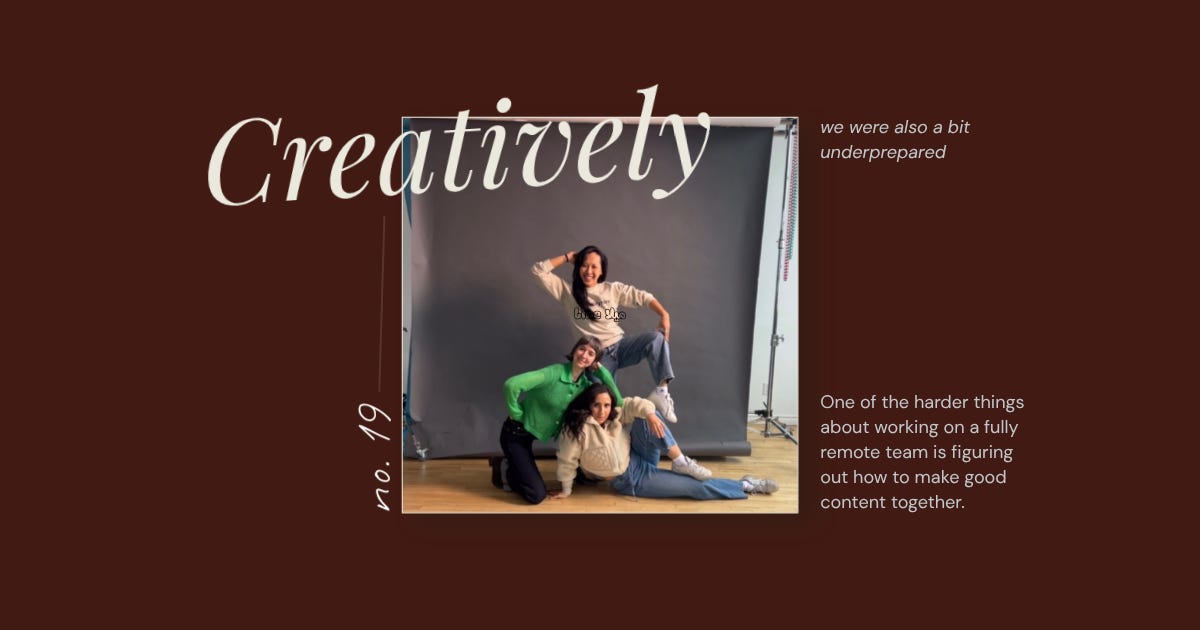
One of the harder things about working on a fully remote team is figuring out how to make good content together. Not just more content, because lord knows that no one is starving for output, but work that we can be really proud of. We’re all swimming in content all day, every day. We’ve adapted to scrolling past hundreds of pieces faster than we can register what we’ve just seen. At a certain point, the volume of output is just more noise added to the feed. It starts to feel numbing. And I can already sense that people are craving for more flavor. Like they have a high bar of good, and it would take a lot to convince them to stop their thumbs.
“Good,” of course, is subjective. But inside a team, it still has to mean something concrete. It can’t just be a vibe. At Slate, our bar for good content isn’t about polish for polish’s sake. It’s about practicality. Can we move quickly without losing our identity? Can we stay visually consistent without overthinking every single detail? Can we actually get work out while it still feels timely, instead of watching it rot in drafts?
Those questions shape how we operate, and they’re what led us to try a content blitz.
Our marketing team is small—four people—split between Boston, SF, and Toronto. Like most remote teams, we didn’t have a shortage of ideas. What we lacked was shared momentum. Lack of F2F time had become the bottleneck. So instead of pretending we could solve that asynchronously, we decided to spend real money and real time getting in the same room and batching content together.
Toronto made the most sense. Two of our team members live there, which kept costs reasonable and logistics simple. Our goal was to give ourselves a concentrated window to work.
Here’s what the first blitz actually cost:
Roundtrip flight from Boston to Toronto: $480
Studio rental for six hours: $150
Meals for the team: roughly $280
Editing help: $3000
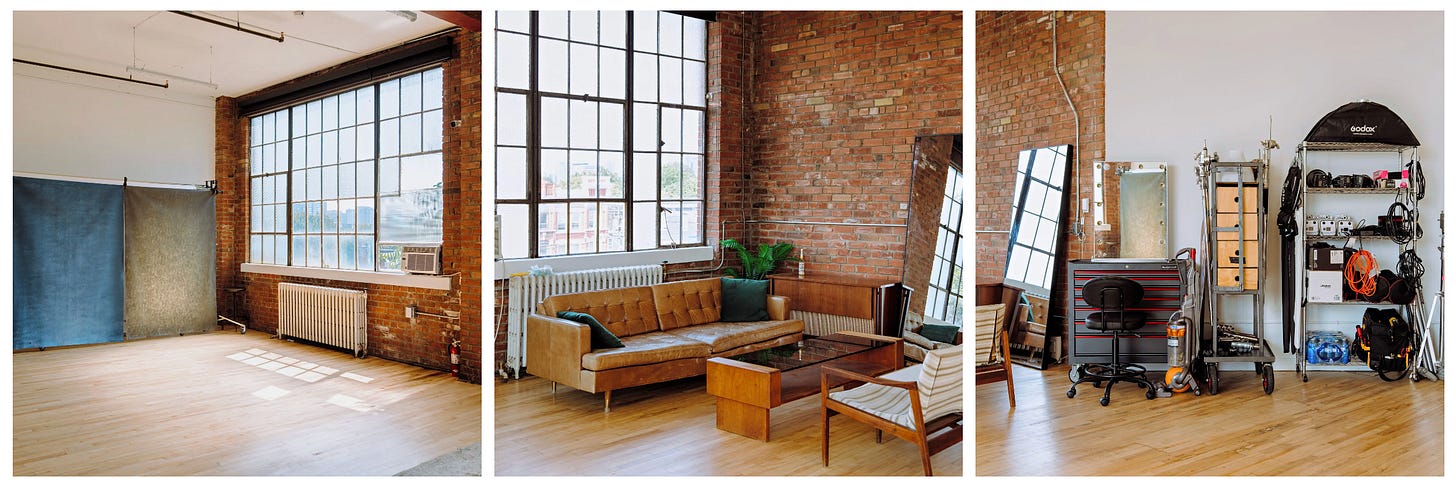
This is the studio we used in Toronto. It’s called cocreate.
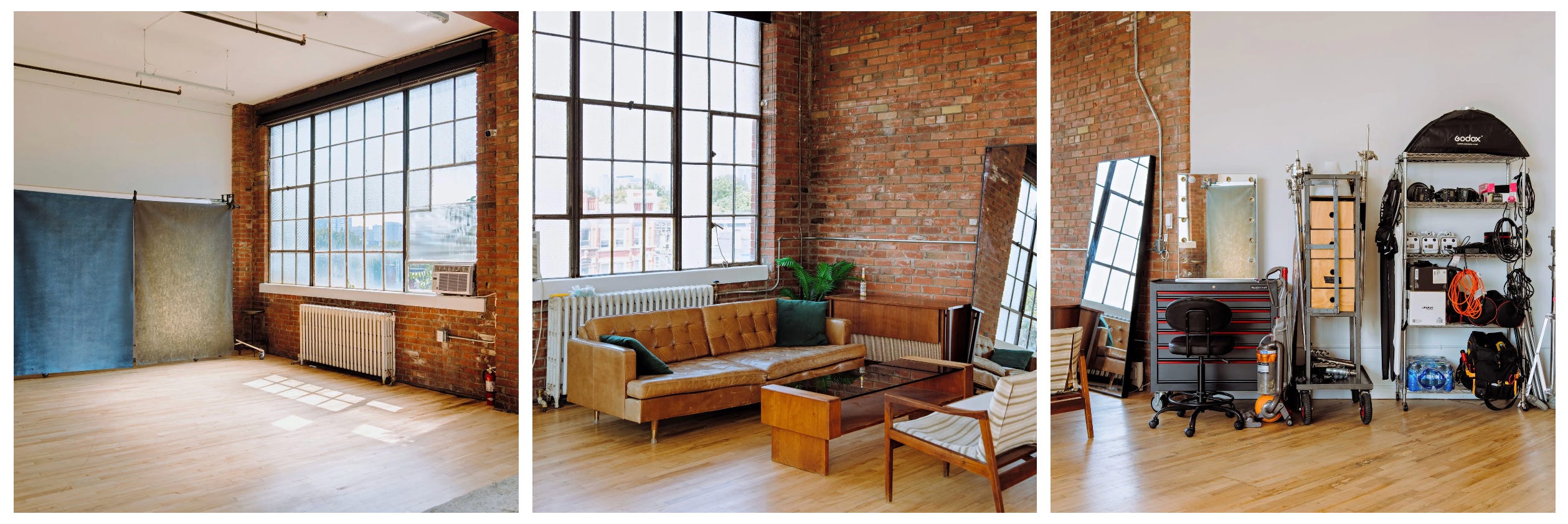
We didn’t pay for lodging, and we didn’t need to rent additional equipment beyond what the studio and our team already provided. All in, the investment was fairly modest, especially when you look at what came out of it.
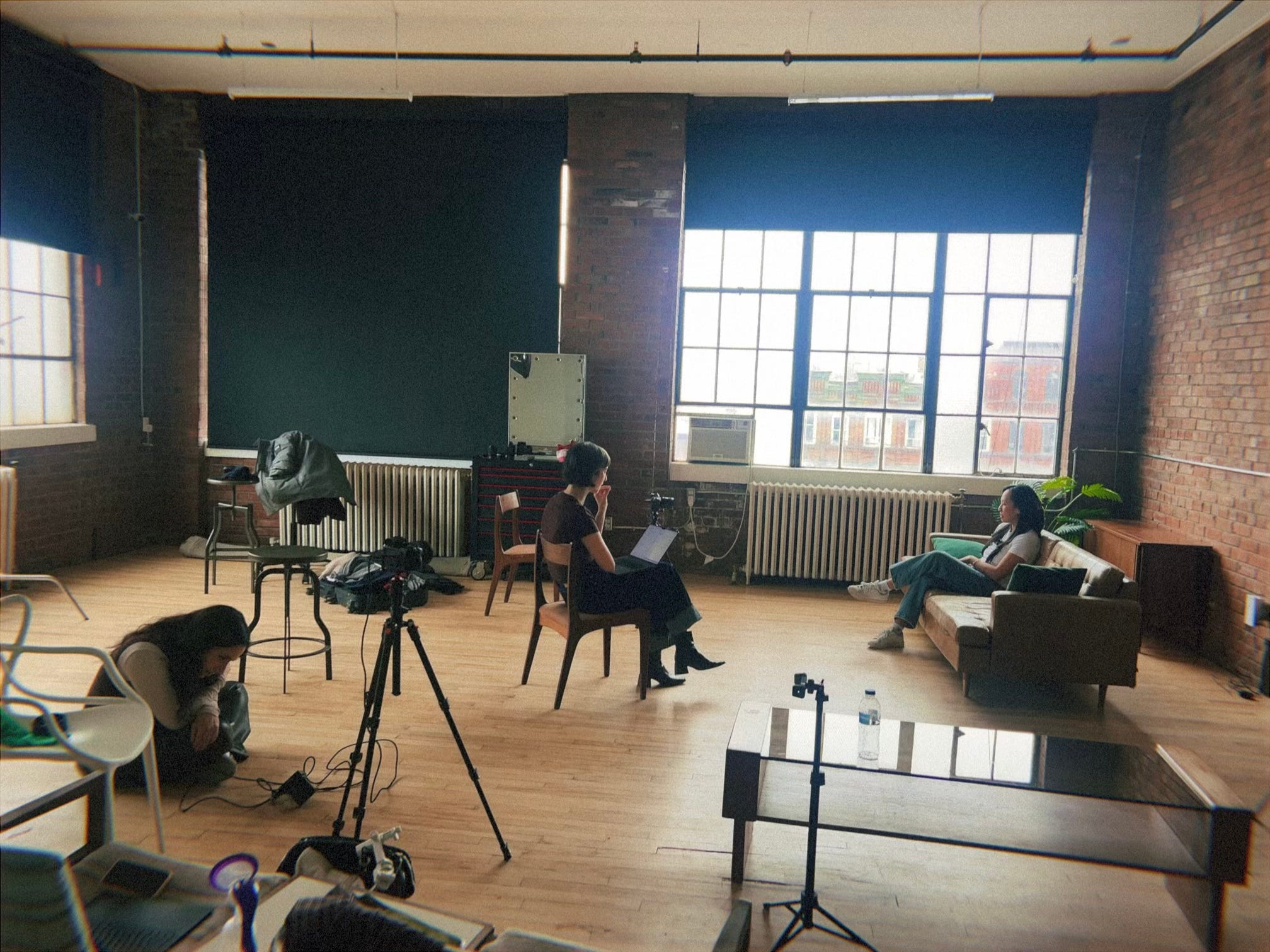
From that one day, we walked away with six higher-production pieces and another ten to twelve UGC-style videos. Enough to comfortably carry us through to our next blitz in April. More importantly, it gave us more conviction. We could see how more considered, higher-effort content and looser, faster content play different roles, and how having both keeps things moving smoothly.
If you really want to be seen as a media company, then you gotta build that muscle.
The part I didn’t fully anticipate was how much time is needed for production. Setup alone ate more of the day than I expected. Lighting, stands, camera adjustments. While all were necessary, they all slowed us down. I also had to come to terms with the fact that I don’t actually know how to work a camera beyond setting it to auto and hoping for the best. I own a Sony A7RIII camera and I have a 35mm, and a 70-200mm lens.
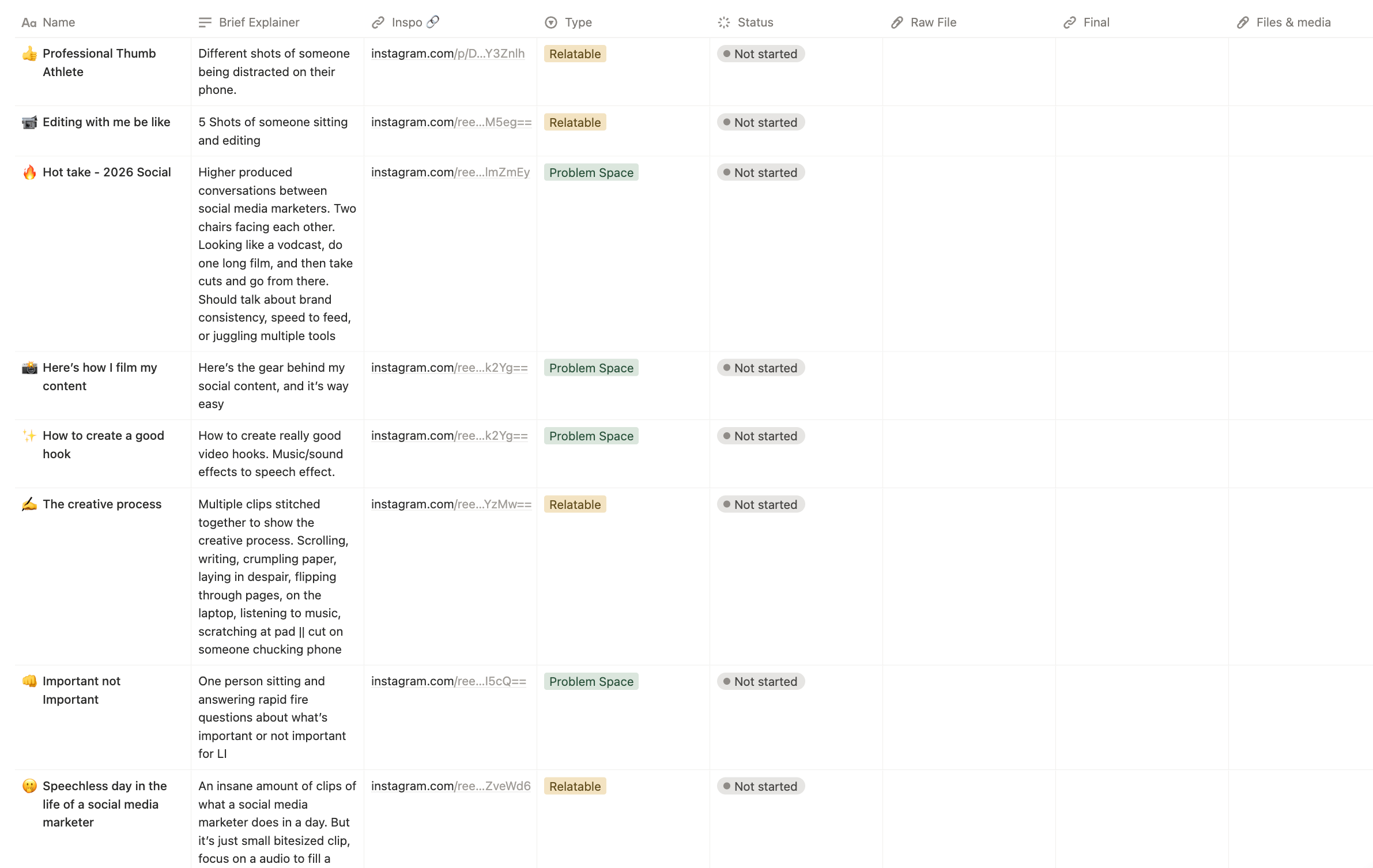
Creatively, we were also a bit underprepared. We had an ideas page and inspiration references, but they were built for day-to-day social execution, not for higher-production shoots. We hadn’t fully flushed out scripts for the pieces that needed structure, which meant we spent too much time massaging lines and improvising on the fly. In hindsight, we should have come in with clearer goals for each piece and been stricter about timeboxing.
We also tried to do too much ourselves. We leaned heavily on Ademola Adelakun for setup and filming, and that created a bottleneck that slowed everything down. Having dedicated production support would have made a meaningful difference. Six hours, too, was simply not enough. If we repeat this at the same scale, it needs to be a full shoot day, or even multiple days, to do more.
None of this negates the value of the blitz. If anything, it helped our understanding of how we can get better.. Planning and production discipline matter a lot with this stuff. Editing support matters if you want a speedy turnaround afterwards. And creating good content as a remote team isn’t about squeezing more output out of people. It’s more around designing opportunities where focus and attention can really be dedicated.
Woo, that was a bit of a doozy. If you’re still with me, I appreciate it. I have the tendency to get a bit wordy when I’m trying to explain “the how” behind the things we do.
Outside of my day job, I am a LinkedIn creator. I still blush and laugh nervously whenever I say that. Because of course my self-deprecation would make me feel embarrassed. TBH, I never expected LinkedIn, of all places, to be the channel that opened the most doors for me—but it has.
After my husband was laid off, I decided to be more open to sponsored posts again. I mean, we were suddenly a one-income household, and that familiar scarcity—the same one I grew up with watching my immigrant parents pinch every dollar—has a way of changing just how flexible I’m willing to be when it comes to finding ways to earn more money. And as much as I’ve always tried to avoid feeling like a walking advertisement, I’d be lying if I said money wasn’t a factor this time around.
Two of those partnerships ended up being the highest-paid deals I’ve ever done and neither of them performed well.
This is where I tell you just how pathetic I felt over it. I was manically watching the numbers too closely. I refreshed more than I should have, like an ungodly absurd amount. I wanted the posts to work because I wanted the rate to feel justified. When they didn’t, it just felt like a personal failure.
If I put my social media marketing hat back on, I can see very clearly why the posts didn’t work.
Both posts went through heavy revisions, one of them was 14 times! Which made the entire thing felt more transactional than collaborative. One required me to promote something I wasn’t actually a part of. And, unsurprisingly, sponsored content just doesn’t travel the same way. Whether that’s algorithmic or behavioral almost doesn’t matter because the result was just low reach.
Obviously this didn’t kill me. I’m stronger than a few bad posts. But I needed to stop licking my own wounds as I sat there in despair because performance isn’t a proxy for worth. Brands put paid spend behind underperforming creative all the time, and no one ever questions the value of the people who made it. Creators shouldn’t internalize that pressure differently just because the work carries their name.
Sponsored content is never a guarantee. It’s an agreement to try something together, under a set of variables most of us don’t fully control. Sometimes it works. Sometimes it doesn’t. The job is to learn without letting the outcome define you.
The silver lining is that this experience pushed me towards a different model altogether. I want fewer one-off amplifications, and more long-term collaboration. This led me to start building a few concept-driven projects of my own which is work that’s designed for collaboration instead of amplification. I’m still shaping them, but the excitement behind these passion projects is going to be the reason why it’ll do well. I just know it. I’ll share a bit of that below.
My overall desire is to come up with content formats in a way that they can act like containers that can hold peoples’ attention over time.
One idea I keep coming back to is LinkedIn Confessionals. It’s documentary-style, built around short, honest conversations with people who spend a lot of time thinking publicly for a living. The goal is producing something with a rich texture. Real thoughts, real tension, and truly relatable because every creator who has posted on LinkedIn has felt this way. We tested this on LinkedIn this last week and it’s gained some decent traction.
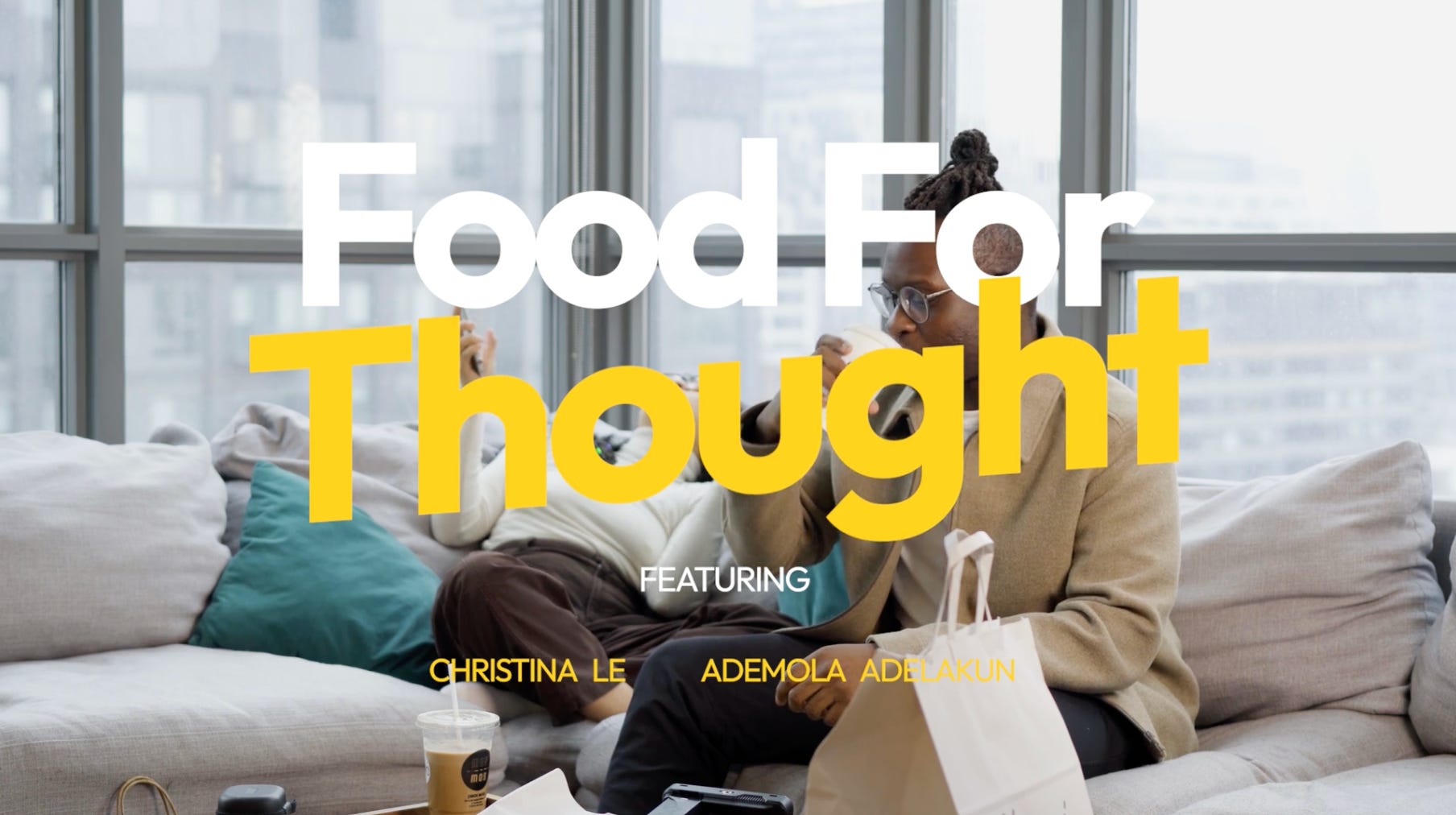
Another concept I’m stoked about is Food for Thought. It’s built around the simple act of sharing a meal while talking about work, but at the level of process and judgment. How decisions get made. How people think through problems. Different cities, different tables, different conversations. I want this to be grounded in something innately human like sharing a meal.
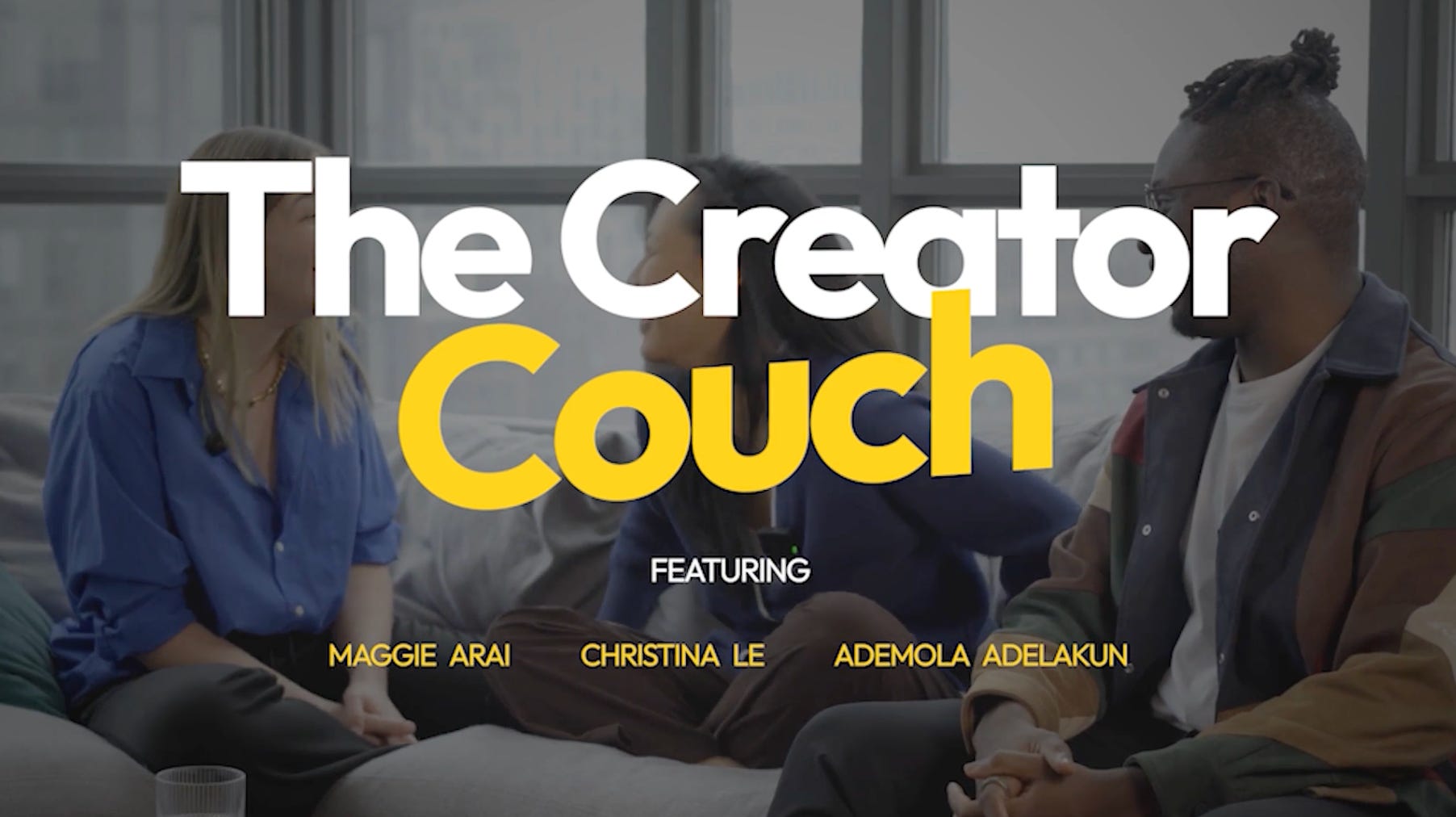
And then there’s Creator Couch, which is exactly what it sounds like. A small group of creators, in conversation, no filters. Swearing is allowed. So is laughing, pausing, and not knowing exactly what you think yet. I’m not interested in producing hot takes. Just good conversations.
All three ideas share the same instinct that I think a lot of consumers are feeling which is: can we please slow things down? Can we make room for collaboration? Can we build something that we’re actually proud of and is actually intriguing?
I don’t know exactly where they’ll land yet. Maybe they’ll just be the fun content I get to do. But if this is something you’re interested in be a part of, or if you’re a brand who wants to take a bet—LMK.
Alright, I’ll stop here. This is what happens when I let my thoughts roam a little too freely on the page. Content is never far from my mind, and I could spend days unpacking it. I hope something in here resonated with you, wherever you are. Until next time.
As someone who ISN’T in marketing, I loved reading this and getting to peek at your process! For what it’s worth, I feel all of this:
“can we please slow things down? Can we make room for collaboration? Can we build something that we’re actually proud of and is actually intriguing?”
(and I’m still proud of you for writing! 😉)
<3 it's always a big joy when you post